
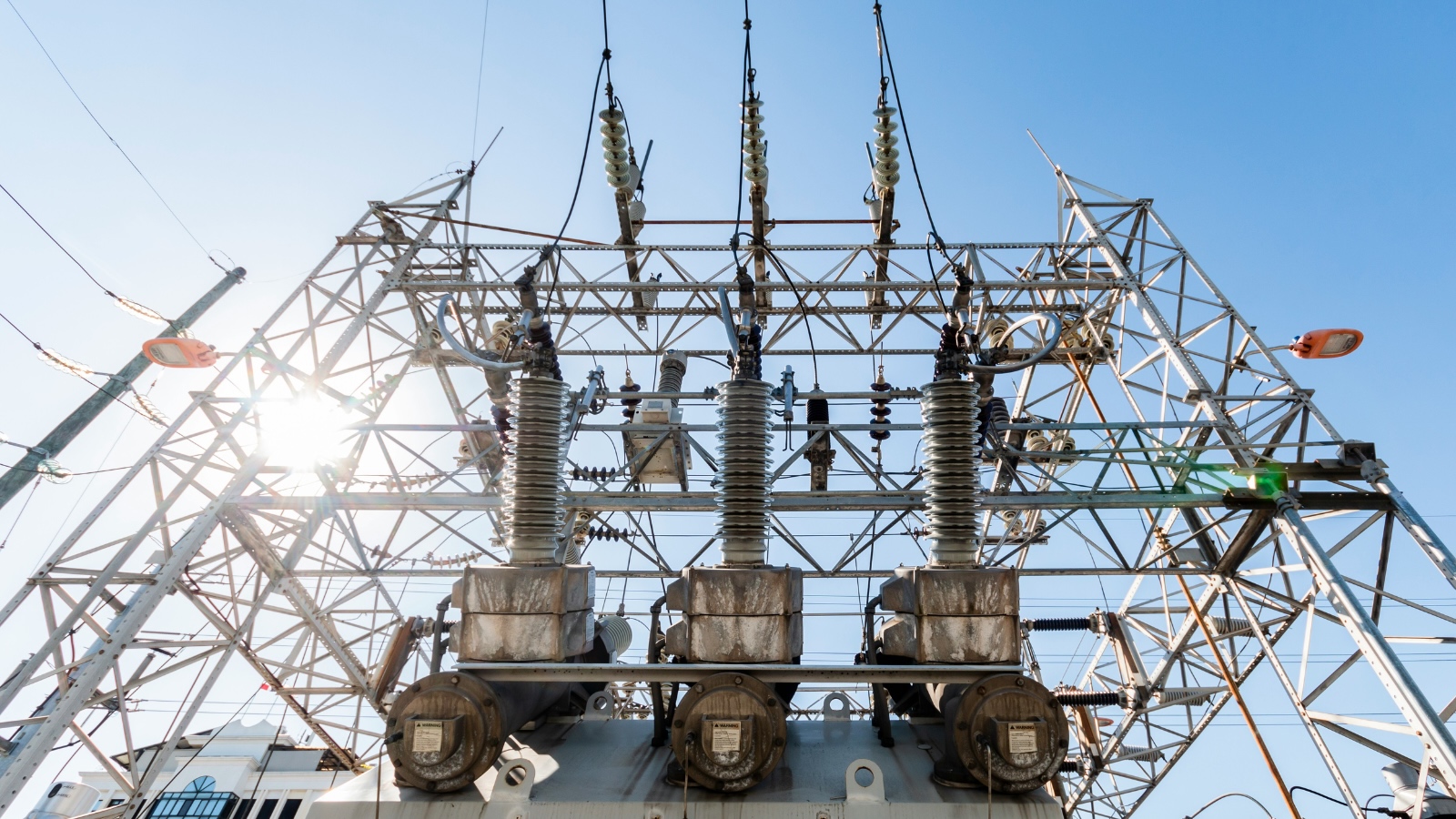


Utilities are exploring how AI can improve outage prediction, fault detection, restoration planning, and overall grid operations within ADMS environments. The potential is huge, especially with the grid becoming more complex. AI can help operators catch issues faster, improve situational awareness, and make better operational decisions when the grid gets messy. That's why AI gets so much attention. It gives operators a chance against complexity that's outgrowing traditional tools.
But AI is not a shortcut to operational maturity. It’s not about deploying more technology, but rather focusing on a few foundational practices that allow AI to deliver value.
Don't put AI in charge right out of the gate. Run it side by side with current process first, so it's making suggestions but not actually doing anything on its own yet. That gives a chance to compare AI recommendations against actual operator decisions and evaluate performance over time. It also gives operators time to build confidence in it. Trust is essential here. If operators don’t believe the recommendations are reliable, they won’t use them and adoption will stall, no matter how sophisticated the technology is.
AI recommendations must be explainable. Operators can’t rely on a system that produces answers without context. If it's recommending a switch change, flagging a possible outage, or pointing to a fault, "trust me" isn't good enough. They need to see what’s driving the recommendation and understand the reasoning behind it.
Prioritize AI tools that provide transparency and context, not just black-box outputs. When operators can see the logic, they trust it more, make better calls, and find it easier to actually use the AI in day-to-day work. Tools that just spit out answers without context tend to get ignored.
Establish a strong operational and data foundation before scaling AI initiatives. AI leans heavily on data from core systems like SCADA, OMS, GIS, and asset management platforms. If data is inconsistent or disconnected, AI recommendations will be unreliable.
Just as important, people need to know how to handle recommendations. Who reviews them? Who decides to act? What happens if the AI is wrong? Utilities must have have clear operational processes and governance in place.
Utilities often find that the operational complexity beneath AI (old data, disconnected systems, and unclear processes) is the biggest challenge. Get that right, and the organization will have a solid foundation for AI to stand on.
AI has real potential to help utilities manage an increasingly complex grid through ADMS, but it only works if the fundamentals are in place first. Technology alone won’t do it. It’s tempting to try to adopt AI faster or more aggressively to keep up, but that approach actually causes slowdowns in the long-run. Fix the underlying data and processes and roll it out gradually for the best (and quickest) results. You’ll end up with tools people really use.
At Trenegy, we help utilities focus on the operational discipline required to make initiatives like AI-enabled ADMS successful. To chat more about this, emailinfo@trenegy.com.
Trenegy is a non-traditional consulting firm based in Houston, Texas.


